
.jpeg)
Written by: Howard Lindsay & Allan Scott
Starring: Fred Astaire, Ginger Rogers, Victor Moore, Eric Blore, Helen Broderick, Betty Furness
Rating: [3/5]
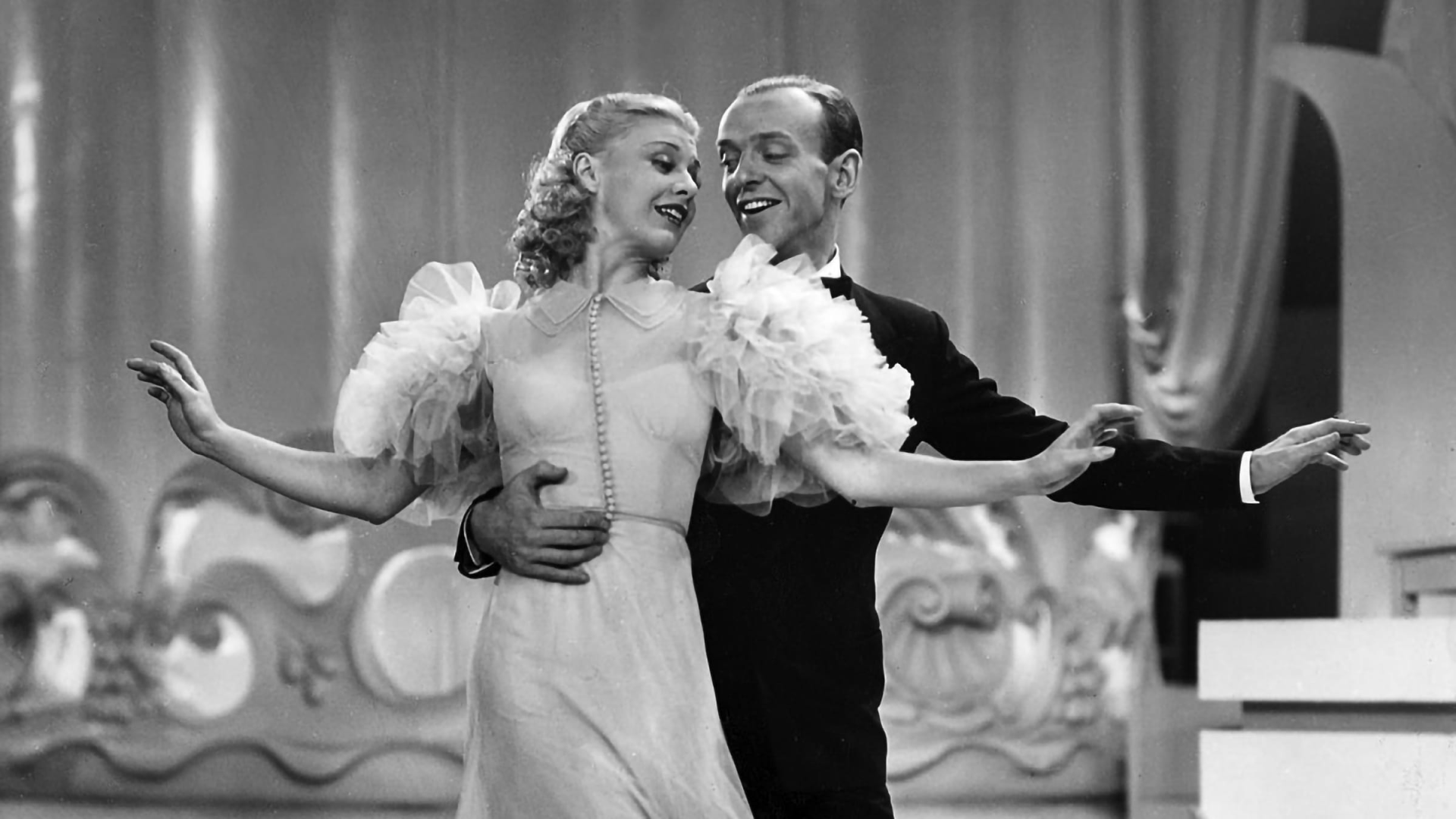
Dance sequences in classic films capture a type of magic and pizazz making them eternally endearing for audiences to enjoy. Something Fred Astaire and Ginger Rogers built their entire careers on and with good reason. What they deliver in Swing Time borders on perfection when it comes to the dance sequences offered, but the lack of an intriguing plot connecting everything together definitely hinders the ability for the audience to stay engaged.
Needing to gather a sum of money to get the right to marry his fiancee, Lucky (Fred Astaire) heads to New York where he meets dance instructor Penny (Ginger Rogers). While their relationship becomes spicy, the way she teaches him about dance presents the opportunity to have something flourish into something more.
Of all the things Swing Time presents in this feature, the largest one of them all comes with the question of how much could fantastic dance sequences carry a film not offering much else. A conundrum where the filmmakers who put this together had a number of opportunities to showcase the exemplary dance numbers of their two leads but realized the day before shooting they needed to actually craft a story involving these two actors to have this production labeled a feature film and they just threw this all together. Obviously, an unserious remark, but the narrative tying us between those numbers truly does not hold water or craft much of a story to care for. Instead, one will find themselves starting to doze away from the narrative until we get to the next dance.
Therefore the answer to the aforementioned question about the sole dance sequences carrying a film lands at a resounding yes, because of the excellence we receive on that front. From the initial dance number between the pair when Penny shows Lucky the basic ropes and then the completely all-encompassing number to “The Way You Look Tonight” absolutely entrances in the beauty of the moves. This pair evokes more about the relationship between the characters in this dance alone than the rest of the screenplay manages to complete, which serves as a compliment but also quite the indictment.
However, with all of the positives of the dance sequences, this feature does contain quite an overly long and heinous scene where Lucky appears in blackface and delivers a performance very much aligning with what transpired in minstrel shows. Something so incredibly random in the story and feels dropped in there, somehow making it worse as it has no narrative purpose for existing other than the filmmakers wishing to see Fred Astaire give this performance. Not only very disappointing to see but it ultimately takes some shine away from the longevity of this feature and reasons why others prefer Astaire and Roger’s other works more. When it appears, it certainly comes as a jump scare far too familiar when watching a film from the 1930s. At times, audience members need to watch these films through their fingers as something heinous will most likely appear. It opens up an entire argument where this review does not sit as the best environment for, but the scene does transpire, it adds absolutely nothing to the plot and remains one of the remaining blights of this film.
Whenever watching a collaboration between Fred Astaire and Ginger Rogers, it takes me back to the title of Alicia Malone’s book “Backwards and in Heels” to highlight that the impressive work done between this pair exhibits exemplary dancing skill. As seen through the dance numbers, they electrify in the energy it presents to the narrative. To think Ginger Rogers holds her own but performs these numbers going backward and doing it in heels only raises the difficulty involved and she certainly steps up here dazzling the screen even with a substandard script and plot handed over to her.
While one can easily find more enjoyment in simply watching clips of these dance numbers apart from the context of the film, Swing Time manages to be quite the collection of them. While not delivering on some of the biggest tenets of crafting a competent feature film, what it produces through these dance numbers more than make up for it, other than the blackface one, of course. Ginger Rogers absolutely dazzles pretty much confirming her status as an icon, especially with her performance in “The Way You Look Tonight” which ultimately saves the film from itself.

 Films with Josh
.jpeg)