

Directed by: Rebecca Zlotowski
Written by: Rebecca Zlotowski
Starring: Virginie Efira, Roschdy Zem, Chiara Mastroianni, Callie Ferreira-Goncalves
Rating: [4.5/5]
Stepparents quite often get portrayed in media geared towards children as villains, the individuals standing in the way of the hope children of divorce have in their biological parents reuniting. Rarely do films take on the perspective of this stepparent trying to forge a connection with the children with nothing biologically aiding them. It’s ultimately what makes Other People’s Children such a refreshing and important piece of work as it displays the beauty of this connection to a child not biologically yours but also the ethereal nature of this bond.
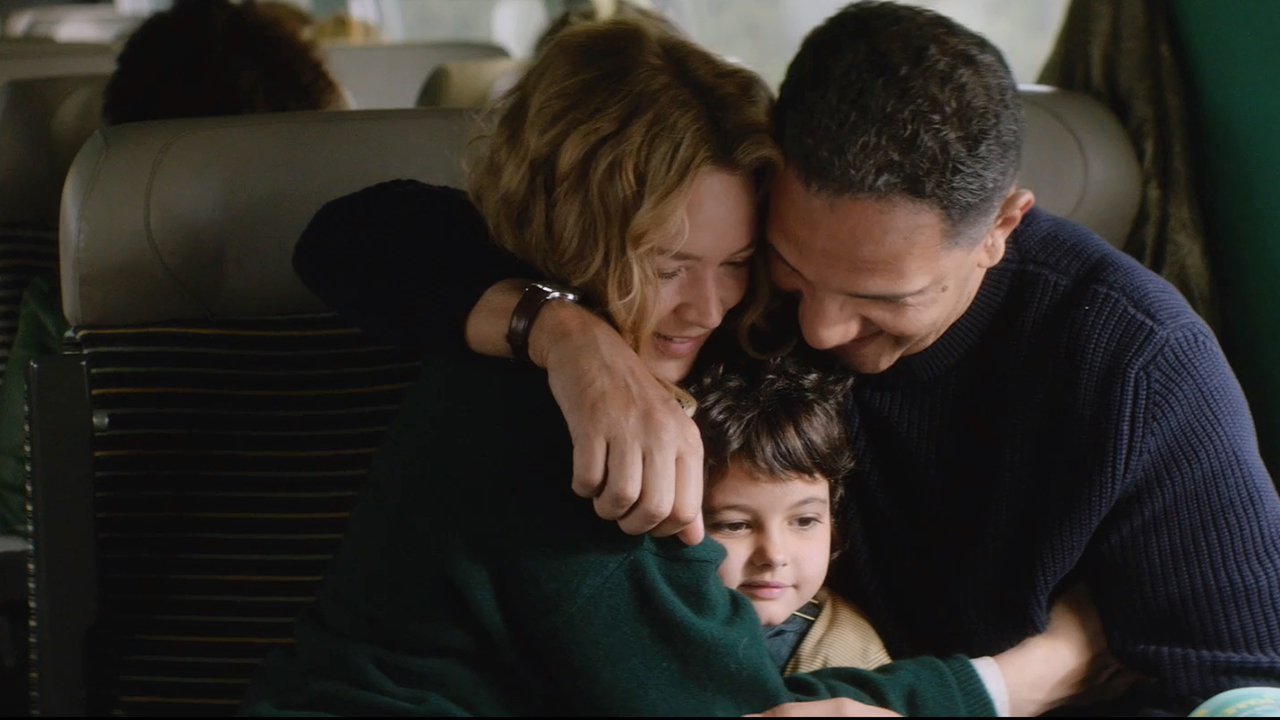
While having a content life with plenty of friends, Rachel (Virginie Efira) still ponders whether she can still have a biological child. She then strikes up a relationship with Ali (Roschdy Zem), who has a four-year-old daughter, Leila (Callie Ferreira-Goncalves). As the relationship with Ali continues to expand, so does Rachel’s love and affection for Leila with her getting more involved in the young girl’s life.
Operating as both a romantic comedy in Rachel’s relationship with Ali, but also a familial drama in the place she finds herself with Leila, Other People’s Children enters the fray with beautiful frankness in its portrayal of this dynamic. When someone decides to date someone with a child, if at all serious, the relationship with said child becomes integral. To love that person also includes at least minimal cordiality with members of their family, especially if it involves a child. A reality many individuals in the dating scene must make a decision when getting involved with a single parent. This film fully embraces this dynamic and does so in such a beautifully engaging manner.
As we move through this plot Rachel and Ali’s love story has plenty going for it in establishing what makes the two attracted to each other. A love building between two individuals in their 40s where they know exactly what they want in a relationship at this point. They have both had their share of successes and failures in relationships seeing as they’re both single at this juncture but with Ali having a child, it sprinkles in something extra in this particular dynamic. Ali has had the pleasures and work of having a child thus far while Rachel has not and at her age and still with the slightest desire to have her own children. This puts Rachel in a peculiar place in the relationship where the only opportunities she may have with children come from other people’s children and with this delicate subject matter comes children who often lack a filter with their thoughts.
Just as Rachel seeks to please Ali in their relationship, she also wants to build upon the affection she has for Leila but children do not understand the complexities of human emotion, especially one at the ripe age of four. We have those devastating moments where Leila shares her current emotions in an unfettered manner and it hurts Rachel deeply. Even with the child not even necessarily sure what she’s saying and how it will impact someone who cares deeply about her. It exhibits the sensitivity of this circumstance and no matter how much Rachel builds this perceived bond with Leila it will never be something as permanent and bonding as the small child has with her biological parents. After all, Rachel and Ali could potentially break up and therefore leave no logical reason why she would spend more time with her. So much lies out of her control, thus ensuring this connection remains one continually delicately connected.
Even with this hardship she takes on, this film’s tone remains a mature and jovial one as she goes about this relationship and especially when she meets Ali’s ex-wife and Leila’s mother. This film could have easily decided to jump at creating this overly animated feud between the two as the mother sees Rachel as someone trying to connect with her daughter and try to squash it. Ultimately, everyone in this film has a level head and maturity, which makes the decisions made down the road one that makes sense, but certainly still causes pain to one of the parties involved.
While having enjoyed Rebecca Zlotoswki’s Belle Épine, she reached a different level here with the story she tells in Other People’s Children. She sets this beautiful tone with this story where we see the perspective of each of these characters. This tone drenched in joviality allows this to have its moments of humor, romance, but also moments that hit you right in the heart as Rachel hits home with the reality of circumstance. She pairs perfectly well with the always-great Virginie Efira, who’s simply a master of her craft. Eifira stands in and has to handle a whole host of emotions through this character and she unsurprisingly hits every note asked of her. With each new film of hers I watch, she continues to prove her immense talent and how she can seamlessly weave between different genres effortlessly and she fits right like a glove in this romantic comedy in being the character we have no issue in following throughout this complex time in her life.
Both amusing but also sneakily devastating, Other People’s Children puts Rebecca Zlotoswki firmly on my radar as someone to continue to look out for seeing as she takes something inspired from her life and delivers such an effective work. Beautiful maturity exemplified by all of the characters but still digging at the very core of the fragility of the relationships Rachel holds to all of the individuals within this story.

 Films with Josh
