

Written by: Mariama Diallo
Starring: Regina Hall, Zoe Renee, Amber Gray, Molly Bernard, Nike Kadri
Rating: [2/5]
It’s no secret that our oldest institutions of higher learning in the United States have their issues in separating from tradition and embracing sweeping changes. Even when those in charge have the conviction to bring change, that does not necessarily mean that culturally everyone else falls in line. Master attempts to dig into this very prevalent issue with the very few Black people within a university and while it brings up some interesting ideas, it unfortunately to register.
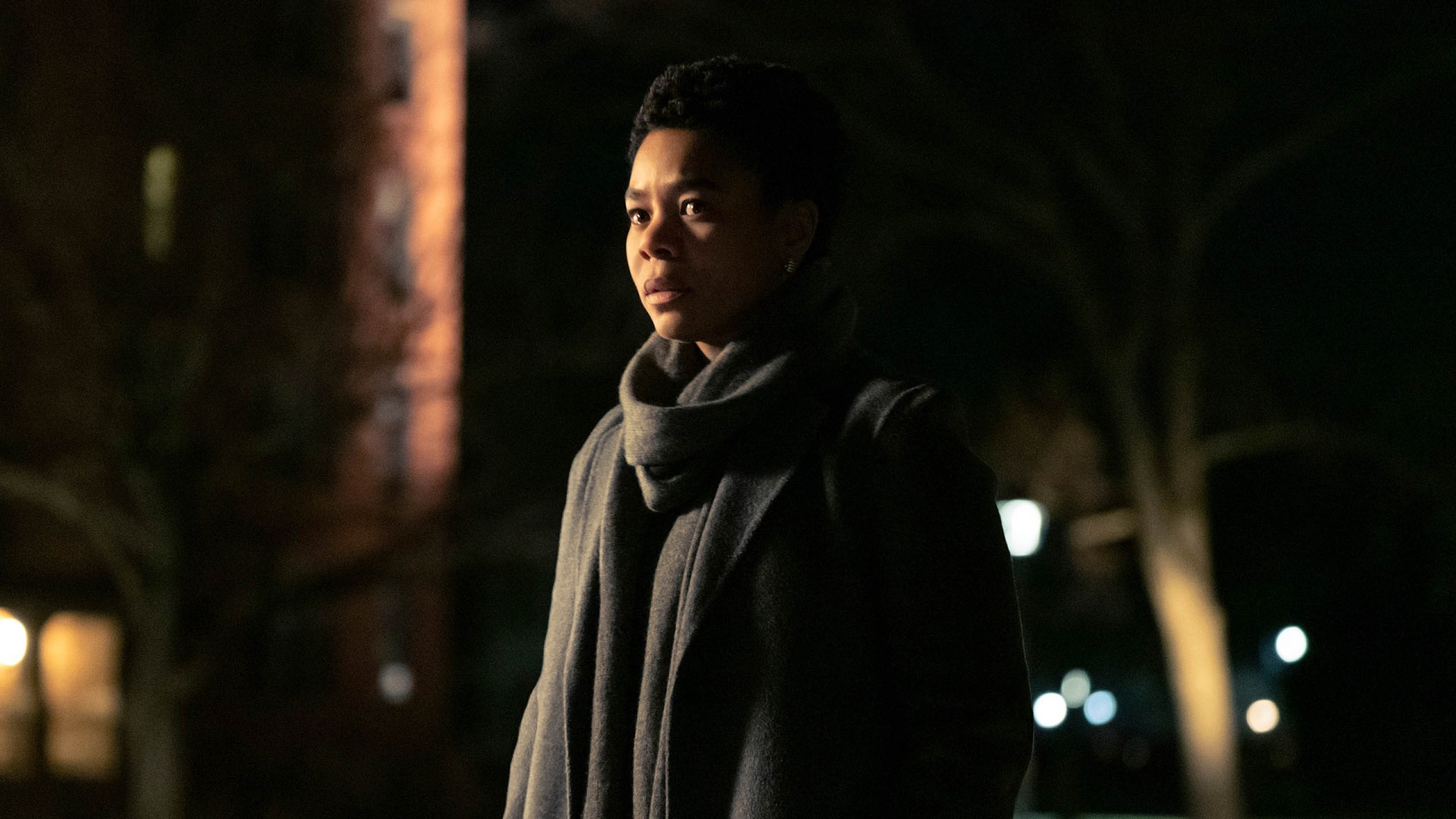
At the prestigious university, Ancaster, Gail Bishop (Regina Hall) gets selected as the first Black master, a huge position of honor. She does grow concerned for first-year student, Jasmine (Zoe Renee), who shows signs of struggling with assimilating to the school and how she stands out compared to the other students in her class, with race being a predominant reason why.
Often in small private schools jokes get thrown around about how one can count the number of a specific ethnicity or race on one hand. A sparse portion of the population compared to the majority, which in most cases consist of white students. I experienced this on my end being one of the few Latinos at my undergraduate institution of study. One’s level of comfort in existing as such a minority comes from a complex mix of one’s personal feelings about their identity and the support given by the school. These two elements carry such importance, which Master seeks to tap into as we follow Gail’s journey in her new position and Jasmine’s as a first-year student.
When running within this wavelength, this film taps into some raw feelings where many may relate with the wide scope of microcosms Jasmine contends with during her first year at Ancaster not only from her fellow students, but also faculty and staff. Moment after moment of discomfort that accurately surmises this feeling of dread for our lead characters that in its own way provides the horror of this film. However, this narrative also wanted to literally imbue an element of horror in the tradition and how it relates to a witch. An unfortunate path the film took that completely derailed any and all momentum it had.
In essence, one can see the attempt here and what the witch symbolizes in regard to Jasmine and her ill-fated doom once she walked onto this campus. It’s when we get to these moments where this witch stalks and terrifies Jasmine as one would see by a spirit in any standard horror film that this story begins to lose its luster. Combining this with Jasmine’s overall narrative and what Gail contends with ensures that each of these stories ultimately feel undercooked. It all comes to a conclusion that ultimately makes sense but the journey there gets quite muddy and just leaves me befuddled by some of its turns.
One of these muddled areas come from the film’s look at Black identity and how each of these Black women view themselves within their respective spaces. This operates in a mostly straightforward manner with Gail and Jasmine but when it gets to Liv (Amber Gray) things become quite convoluted and go in a direction that makes the narrative completely fly off the handle. An utterly strange turn and element of the story that not only takes away from the already fledgling narrative but also just feels completely out of place. It only summarizes the glaring faults of this story as a whole and why its bright beginnings were its greatest moments.
Seeing Regina Hall take on such a straightforward and serious role felt so strange given her mostly comedic filmography but she did a pretty good job in portraying the internal strife of this character. It demonstrates that she has much more range than one would think and ultimately became the stand out of this film. No one else around her came close, which probably says more about the remaining cast than Hall’s performance overall.
Coming in with some good ideas but ultimately faltering with its execution, Master ultimately ends as a disappointment in how it fails to adequately bring together these ideas into one cohesive narrative. While touching upon many cogent elements about identity and how racism seeps itself into any and all corners of academia, it just completely loses the plot when trying to integrate elements of this witch and the impacts it has on Jasmine.

 Films with Josh
