

Written by: Carl Mayer
Starring: Janet Gaynor, George O’Brien, Margaret Livingston, Bodil Rosing, J. Farrell MacDonald
Rating: [5/5]
Taking for granted the great things we have in life happens to everyone once in a while because of the inherent ability of humans to get this tunnel vision and lose their grip on reality. It causes individuals to get in their own heads about something new and perceptively fresh when none of it can compare to what already exists. This certainly occurs aplenty with men and their infidelity causing harm to their wives like in Sunrise: A Song of Two Humans, where it jumps to the extreme but delves into something quite moving on the journey toward forgiveness.
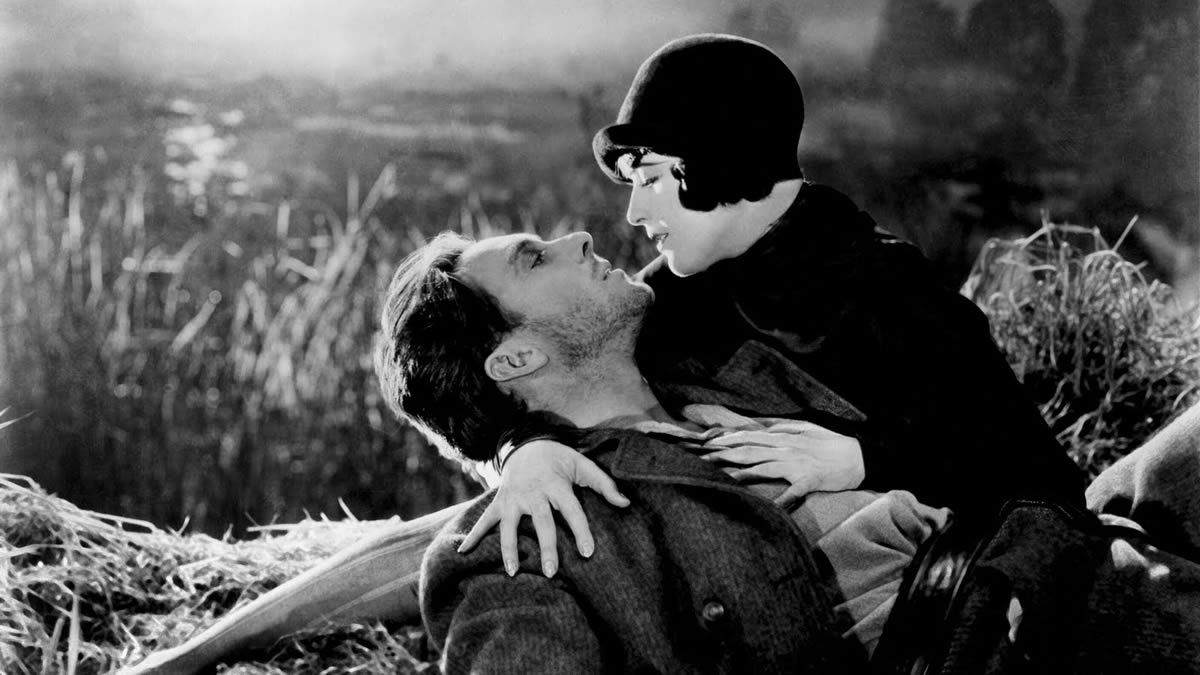
In this rural town, a man (George O’Brien) openly has an affair with a woman from the city (Margaret Livingston) despite having a wife (Janet Gaynor) and a kid at home. When the woman from the city asks the man to get rid of his wife so they can run away together to live in the city, the man takes the wife out on a boat where he plans to make it appear she accidentally drowned.
Infidelity with men comes as nothing new and occurs in all stages of committed relationships, but the reviling stage for this occurrence lies in the stage where the wife just had their child. After going through the nine months of pregnancy and a labor process filled with so much pain, this man has a wife who deeply cares for him and has started a family with him only for the guy to begin an affair with someone he finds exciting. Absolutely deranged behavior but one that often gets excused by the larger society, especially at the time of this film’s release. Something made obvious by the sheer fact everyone in this rural town knows about the affair and does not do anything about it. As the opening text explains, this woman from the city came to this rural town and has remained as an overly long guest making her an outsider meaning this affair has not lasted terribly long and remains on the mind of pretty much everyone, which truly lays the disrespect on very thick in this narrative.
This man gets so wrapped up in this fantasy of running away with his mistress into the city he genuinely does everything it takes to get his wife in a vulnerable position to drown her at the request of his mistress. Something he does not follow through with but his wife witnesses the initial intention making the rest of this film, the quest of this man to apologize to his wife and try to make up for the horrific act he was just going to commit. It begs the question how can someone seek reconciliation when caught in the brazen attempt to kill their wife? Well, this feature tries to provide it through this story that contains some sweetness but certainly does not age well.
On one hand, the way this narrative navigates the forgiveness process does present quite a harmful situation for the wife as this two galivant through the streets of the city during this excursion of theirs. She has this man crying before her for forgiveness but she certainly cannot be blamed for not being very quick in offering when he was just on the verge of murdering her. He makes his plea but she initially has no intentions of hearing him out. As the plot progresses something in the relationship begins to rekindle in a manner that makes for something quite touching. Looking at this relationship through a more modern lens displays a terrible man and in this process of reconciliation, we can easily see the manipulative behavior he employs that would keep us quite concerned for the wellbeing of this woman in perpetuity but considering this feature saw its release nearly 100 years ago, using this particular gaze might not be fair.
When looking at this process through a more forgiving eye, this journey for this couple contains quite a level of beauty as it serves as a path of rediscovery for the couple. At one point these two had an incredible amount of affection for each other leading to their marriage and somehow that dissipated for the man along the way. As problematic as this man is, this process of recognizing what he has with his wife does have its touching elements as he notices what makes her great. Having this time isolated away from their everyday life presents this opportunity.
On top of the relational aspect very much dominating this feature, the narrative also takes quite the stand against the perception of rural individuals and those who dwell in the city. The kind and loving wife resides in the town which represents what the man should recognize as a better life as opposed to the woman from the city taking him out to a place lacking in morals and values. F. W. Murnau’s direction makes it quite clear, especially in the manner in which he frames the two women and their juxtaposition to each other.
Through its conflicting story, where this film absolutely soars comes from its visual as for a film from the 1920s, it pushes the boundaries for what was being made during this time. From the use of merging scenes together to present the mental anguish of the man in his thought process and crafting some electrifying moments, F. W. Murnau creates quite a delectable palette for this story to take place. Looking at what gets accomplished here within the context of his contemporaries makes this feature stand out adding the extra juice to this story.
Certainly, a complex story to observe, Sunrise: A Song of Two Humans tells the tale of a terrible man attempting to come to grips with the terrible decision he almost made. While the man represents nothing but a walking red flag, this journey of forgiveness and recognition of what he has with his wife contains a level of sweetness on top of the visual splendor of this film to make for something quite exquisite. A perfectly crafted film of the silent era that uses everything it can but dialogue to carry out its message and do it to an exceptional level.

 Films with Josh
