
.jpeg)
Written by: Charles Brackett, Billy Wilder, D. M. Marshman Jr.
Starring: William Holden, Gloria Swanson, Erich von Stroheim, Nancy Olson, Fred Clark
Rating: [5/5]
Hollywood has never had issues dumping individuals out who no longer serve what they want but women feel the brunt of it much more than men. It presents this fear of how quickly they can be disposed of at such a young age even if the casting directors feel they have passed their prime. Sunset Boulevard displays what impact this can have on the mental wellbeing of an individual and the drastic reverberations it causes to others around them.
In his attempts to avoid having his car repossessed, troubled screenwriter Joe Gillis (William Holden) gets a flat tire and turns into the home of the famed movie star of yesteryear, Norma Desmond (Gloria Swanson). While there, he strikes a bargain with her to assist with the script she feels could serve as her return to glory. This arrangement turns possessive and Norma begins to grow quite the affection for the younger Joe.
Story after story both past and present demonstrates the difficulty women of a certain age have in maintaining work in acting. Women very quickly go from love interests to motherly figures and then out of options. A reality women face when entering this industry but having reached the level of stardom Norma Desmond had in her career makes the reality of this for her that much more troubling. Therefore, it becomes easier to live in a world of delusion rather than face the truth of the industry she devoted her life to. This film thus serves as Joe trying to keep this bubble from popping because once it does, and reality sets in for her, there’s no telling what she will do.
Told through the narration of Joe as he recounts his experience with Norma, we get the perspective of a man of a story about a woman larger than life itself. Operating very much like a noir, this feature seeps into the depravity of this circumstance and specifically through the way Joe experiences everything. He has a way to describe everything happening around him and how it relays to what we see on screen. With his perspective, we get to hear directly how he feels with each interaction, but with Norma, we need no assistance as it comes right through in everything she says.
A distinct sadness permeates each frame of this feature in the different relationships operating throughout this narrative. The more prevalent one exists between Joe and Norma in the way their dynamic shifts from employer-employee to lovers, and then possessive in a manner unhealthy for each of them. It starts with utility and then shifts mightily from there and when entering this world, Joe sees the terrible sadness in Norma’s life where she has this grand house on the titular street but has nothing worth living for. She gets taken care of by her servant Max (Erich von Stroheim) and spends her time reading fan letters still arriving from individuals who love her even if she’s been away from the screen for decades now. Living with that level of delusion certainly worries Joe but based on his circumstances, it’s the best things will get for him.
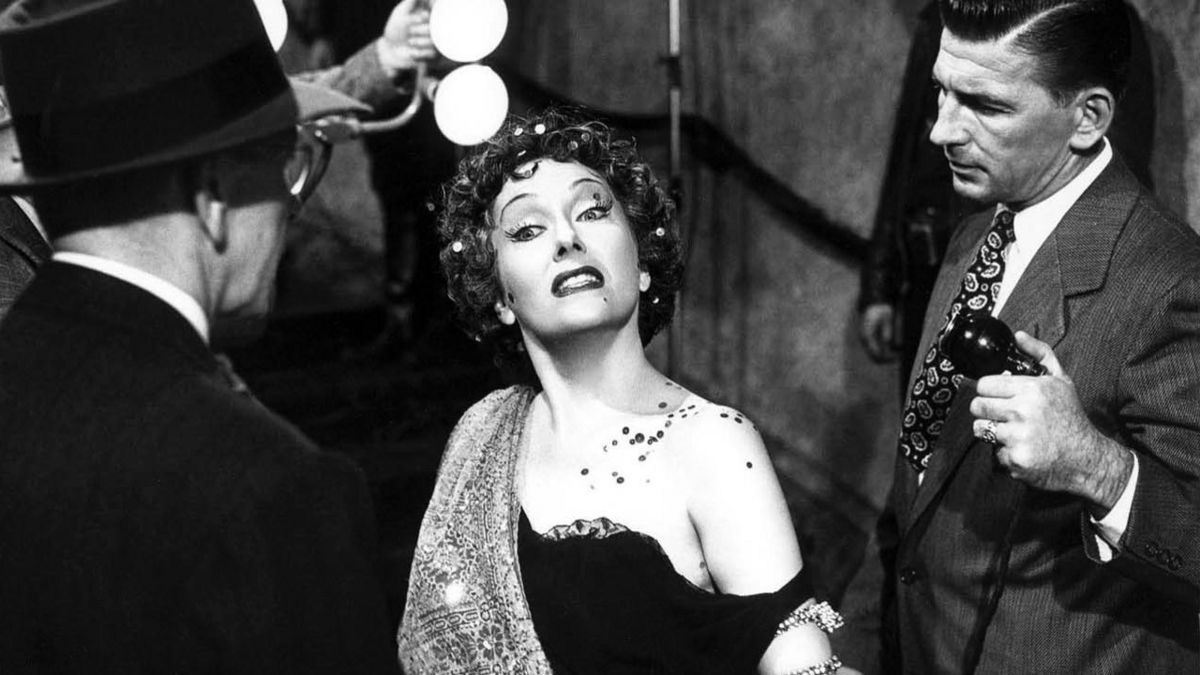
Even with the sadness imbued throughout this narrative, Norma exists as this wholly captivating presence in the feature in the way she draws everyone in who gets near her except the ones she wants. From Joe to Max, this keen characteristic about her exemplifies what made her a star of the silent era, a firm and distinct personality, which Gloria Swanson completely harnesses in one of the most legendary performances ever on the big screen. Swanson exemplifies the very persona of this character in the sadness, anger, and delusion, she exhibits on multiple occasions on any given day. As audience members, we feel bad for her as well as fear what she can do when possessing the right determination. Limitless funds to do whatever she pleases with them but cannot break back into an industry that no longer has any use for her and she just cannot break through in a manner that gives her the meaning she once had when much younger. Norma operates both the tragic figure of this story and also the villain as she refuses to let Joe go. Swanson’s delivery of this fall into further depravity makes the entire film from top to bottom a masterwork making it timeless.
Nuzzled right in through one of the most prolific decades by any filmmaker, this feature in the 1950s accompanies other Billy Wilder films like Ace in the Hole, The Apartment, and Some Like it Hot. The existence of this feature and his comedies display Wilder’s distinct interest in telling straight-up comedies and delving into dark stories like this one even if they contain little bits of dark comedy. For Sunset Boulevard he very much veers to the side of a darker story and the way he captures the magnetism of Gloria Swanson as Norma Desmond. His decision of camera placement intentionally brings us close to the action with Norma and then presents this claustrophobic feeling within this palatial mansion as Joe feels the gaze and pressure of Norma on his shoulders at all times. He balances the tone of this feature exquisitely well in the way he manages the mental crisis Norma encounters through this experience on top of Joe’s story of trying to get out of her clutches and into something new.
Truly an unforgettable viewing experience, Sunset Boulevard ranks quite highly on the list of Billy Wilder films, which contains a bountiful amount of masterworks already. This one truly stands out because of the stark message of the story and the manner in which it gets presented through Norma Desmond and this decline in her sanity. Everything comes crumbling down around her and it leaves the characters caring only for where they will be when it all ends. Captured like a noir this feature gets into the nitty gritty of this situation as these characters engage in salacious activities for the time and ends in tragedy just as the opening shot indicates right from the start.


.jpeg)
Kind of boggles my mind that Swanson was only 49 when they filmed this and they made her seem SOOOOOO old.
LikeLike