

Written by: Rungano Nyoni
Starring: Susan Chardy, Elizabeth Chisela, Henry B.J. Phiri
Rating: [3.5/5]
Of the many things one should count on from family, a baseline of care and empathy sit right at the core. This should come naturally for a random person, nevertheless, for those with whom you share blood. With that said, we very much know that’s not always the case, with On Becoming a Guinea Fowl serving as a painful demonstration of where this disintegrates in service of the men within a family.
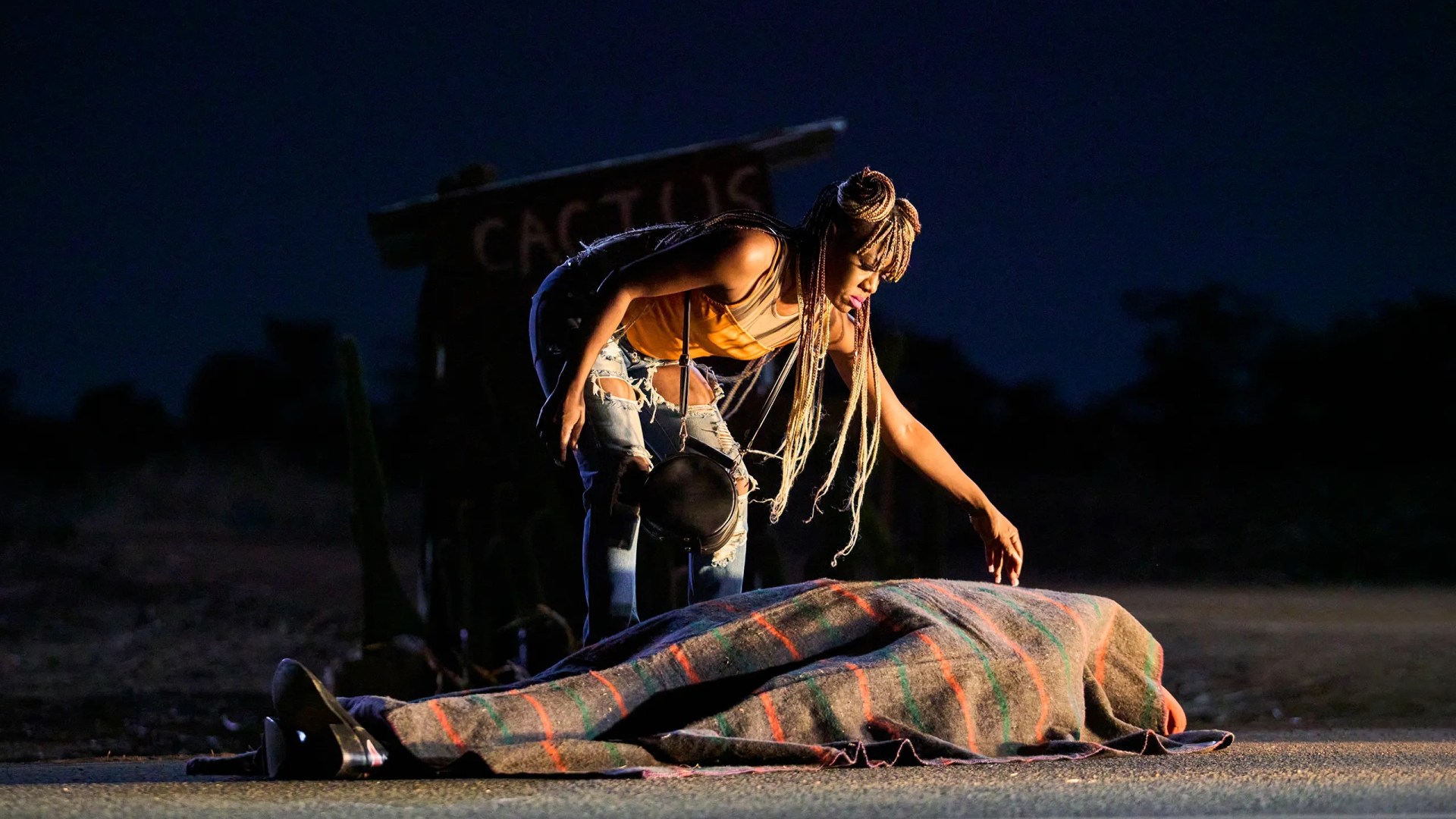
Driving home from a party, Shula (Susan Chadry) finds the dead body of her uncle. As the preparations for his funeral and the settling of his accounts proceed, Shula begins to learn the extent to which many of her cousins suffered sexual abuse at the hands of this uncle. This leaves Shula in a strange predicament, given how the rest of her family wants to brush this completely under the rug.
As frustrating as they come, On Becoming a Guinea Fowl explores highly aggravating subject matter not in the display of abuse but in the complete cover-up of it. This cover-up does not occur because of financial incentives or a refusal to believe the word of victims. All of this lies because the family members involved would rather protect the image of a dead man rather than validate the pain of the abused. The nonchalance of these family elders and outright refusal to accept the wrong that took place would leave some aghast, but this film, more than anything else, displays the universality of this across cultures.
While this film takes place in Zambia and we see this scenario take place through their cultural norms, it translates across many others. I may look different, but all of it grinds down the central reality of women and girls sitting a level below their male counterparts within the family. Shula’s attempts to try and question this order get brushed off with the request for her to prepare food and serve the men who have done nothing to earn it other than the chromosome they carry. It does not have to be this way, which ultimately distills everything down to the saddest element on display, which reflects the role the women play in maintaining this harmful status quo.
This film deserves so much credit in the way it displays how the men play their role, but it focuses primarily on the women, who are both the abused and the ones allowing this cycle to repeat. While Shula tries to make sense of it all, she has these aunties putting in all of the legwork of upholding and protecting the men of the family. Where Shula would expect the most empathy, she finds the least amount of support. We can infer these women also faced the same abuse from their elders, and they have taken it upon themselves to not break the cycle, which is truly heartbreaking. It leaves Shula at these crossroads of whether or not she will break the cycle herself or take the easy route and move on.
Making waves with her recent film prior to this one, Rungano Nyoni sat on the radar of many as a directorial voice to watch, and I can see why. The way she dissects this story and uses distinct imagery to convey what does not need to be said worked wonders throughout. She captures a quiet brutality in the subtle actions and words shared between family members that cause far more damage than appearances may demonstrate on the surface. Not everything presented on screen occurs in a literal sense, but it certainly aids in communicating components of the story better described through the fantastical or the illogical. Such strong directorial work that has made me a believer in Nyoni, and I look forward to checking out more of her films.
Just when you think On Becoming a Guinea Fowl could not punch you harder in the gut, you receive a lesson on what the title of the film signifies. A stark realization that only further emphasizes the sadness one will feel for the women in these families. We feel not just for the abused but also a mix of anger and concern for the women who decide it’s more comforting to maintain the status quo than admit some of the structural failings they have most likely also suffered from. A strong film that will certainly leave an impact on anyone who opts to engage in its message.


