

Written by: Payal Kapadia
Starring: Kani Kusruti, Divya Prabha, Chhaya Kadam, Hridhu Haroon
Rating: [4/5]
To feel alone in a city with millions of other individuals in theory seems like a silly statement but carries much truth in the way people often feel even when surrounded by others. It centers on an interiority of what it means to connect with others and bridge something that carries actual value and not necessarily something that looks promising on paper. All We Imagine as Light dissects this very feeling with two roommates and their specific connection or lack thereof with love.
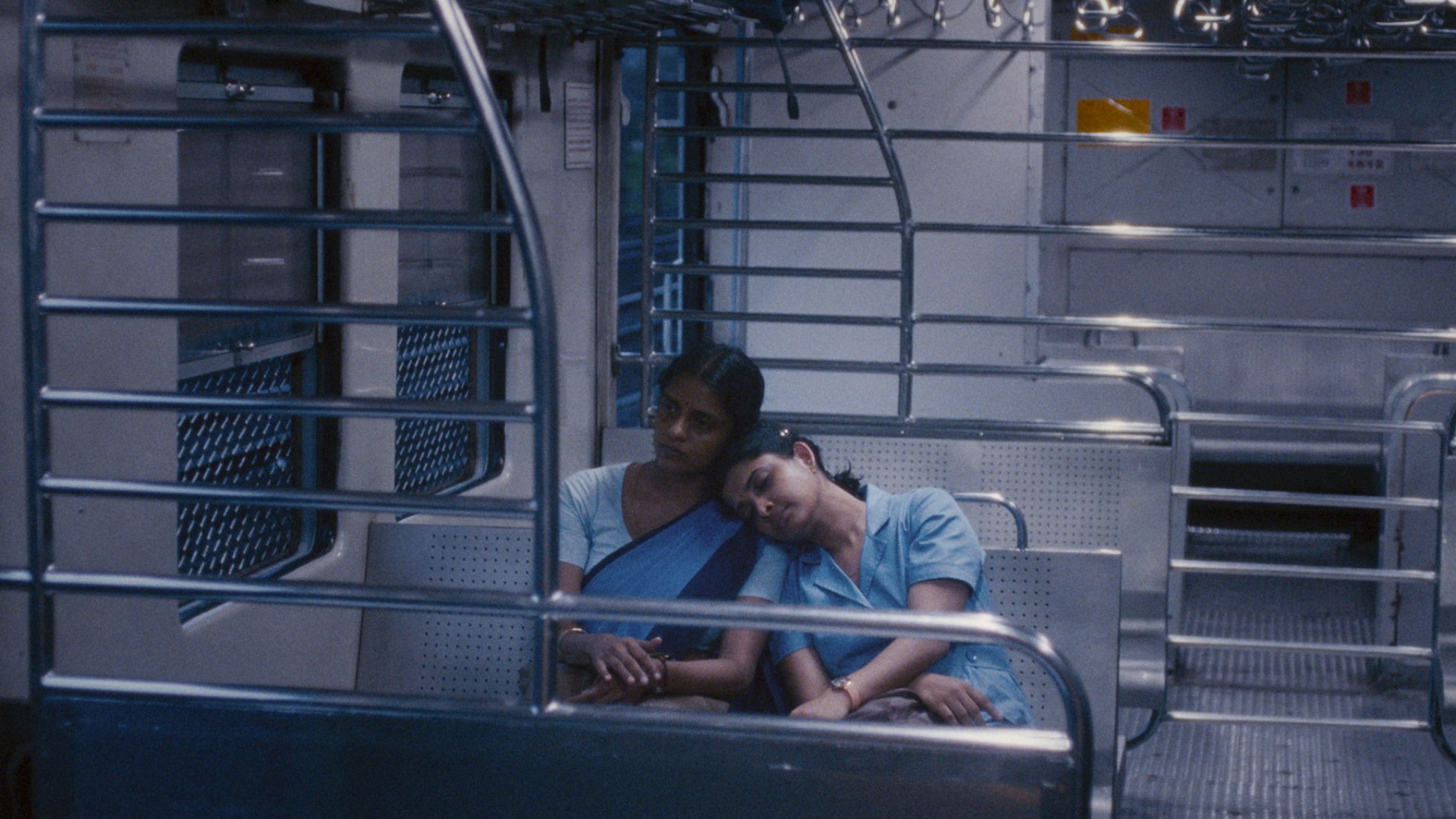
Each navigating the modern world and all that comes with it, Prabha (Kani Kusruti) and Anu (Divya Prabha) each must overcome obstacles of the heart placed before them. Prabha yearns for a husband who lives abroad and has not been seen in a year, while Anu feels the pressure of an arranged marriage by her family but engages in a sexual relationship with a local man in town. As they each yearn for something more than they have, they must deal with what ails them internally.
Mumbai has never looked as beautiful as it does through the lens of All We Imagine as Light. Helmed by the direction of Payal Kapadia, this film displays the greatness of the city along with how it can lead to the loneliness seen on display through our two lead characters. They each have their own journey they must work through but also have each other as a support system and also accountability partners. Much of this narrative centers on their romantic relationship and the general impact it has on their psyche, but it also captures a slice of life for these women and how their everyday life operates.
Through Prabha, we see a woman who has the marriage that should promise her a companion but must settle for a roommate who’s not her husband. Him living in Germany and their lack of communication leave their relationship so fraught that when she receives a rice cooker from an unnamed sender, she surmises it might have been from him, given the device was made in the country he resides in. A realization that only gets sadder the more one thinks about it. This situation stunts the romanticism she should experience as a married woman, as her duty to something that barely exists deflects away anything from the outside potentially bringing some gratification. This leaves her in a place of needing to invest more of her mental faculties into her work but also looking after Anu, who sits on the precipice of a similar fate.
Anu has the prospects of an arranged marriage but believes she has found something herself with Shiaz (Hridhu Haroon). Their tryst remains secret because of her being Hindu and him being Muslim, which will inevitably cause issues on both sides of their families. Despite it all, they find something loving and physically gratifying, which Prabha does not allow herself even when her husband refuses to see her in India. This contrast between this pair demonstrates a generational divide between women in India in the way Prabha internalizes so much of what she feels while Anu carries this impulsiveness to her as she will chase what she wants. This all contrasts beautifully when they try to help an older widow, Parvathy (Chhaya Kadam), move back to her home village, allowing an escape from the big city and a chance to receive clarity; clear skies and minimal skylines provide it.
A beautiful sensitivity shines in this film where judgment may exist in the actions the women view of each other, but what bridges them together matters far more than the differences they hold. Yes, Prabha may hold some judgment for Anu’s rambunctious youthful zeal, but as she comes to grips with her own desires and whims, it all becomes understandable. Similarly, Anu can appreciate the life Prabha has lived to this point and what she can learn from it. Their dynamic with Pavarthy shows them a future that remains possible, both good and bad. The generational representation provides each of them with an insight into their mistakes and their aspirations in such a beautifully quiet manner that Payal Kapadia so effortlessly constructs.
The beauty captured in All We Imagine as Light occurs not only in the beautifully poetic title and the cinematography employed but also in the beautifully human stories at the center of it all. Each of these women has her dreams and seeks companionship not only from the other sex but also from each other. Women in India do not always receive the shine and focus on their interiority, which makes what Payal Kapadia did with this film so insightful. The generational breakdown only further highlights their differences in the way they view interpersonal relationships in addition to their self-worth. Its uniqueness makes it stand out, as its matter-of-fact approach allows us to connect with these characters in the way they operate in this world.


