

Written by: Nikyatu Jusu
Starring: Anna Diop, Michelle Monaghan, Sinqua Walls, Morgan Spector, Rose Decker
Rating: [2.5/5]
A struggle many working mothers in the caretaking profession struggle with entails the idea of them leaving their children to essentially take care of someone else’s. An idea that appears backwards on the surface but highlights an economic reality for those who provide the caretaking and those with the ability to outsource it to someone else. Nanny seeks to highlight the damage this brings to all parties involved but does so in a manner that’s disjointed in what it seeks to convey.
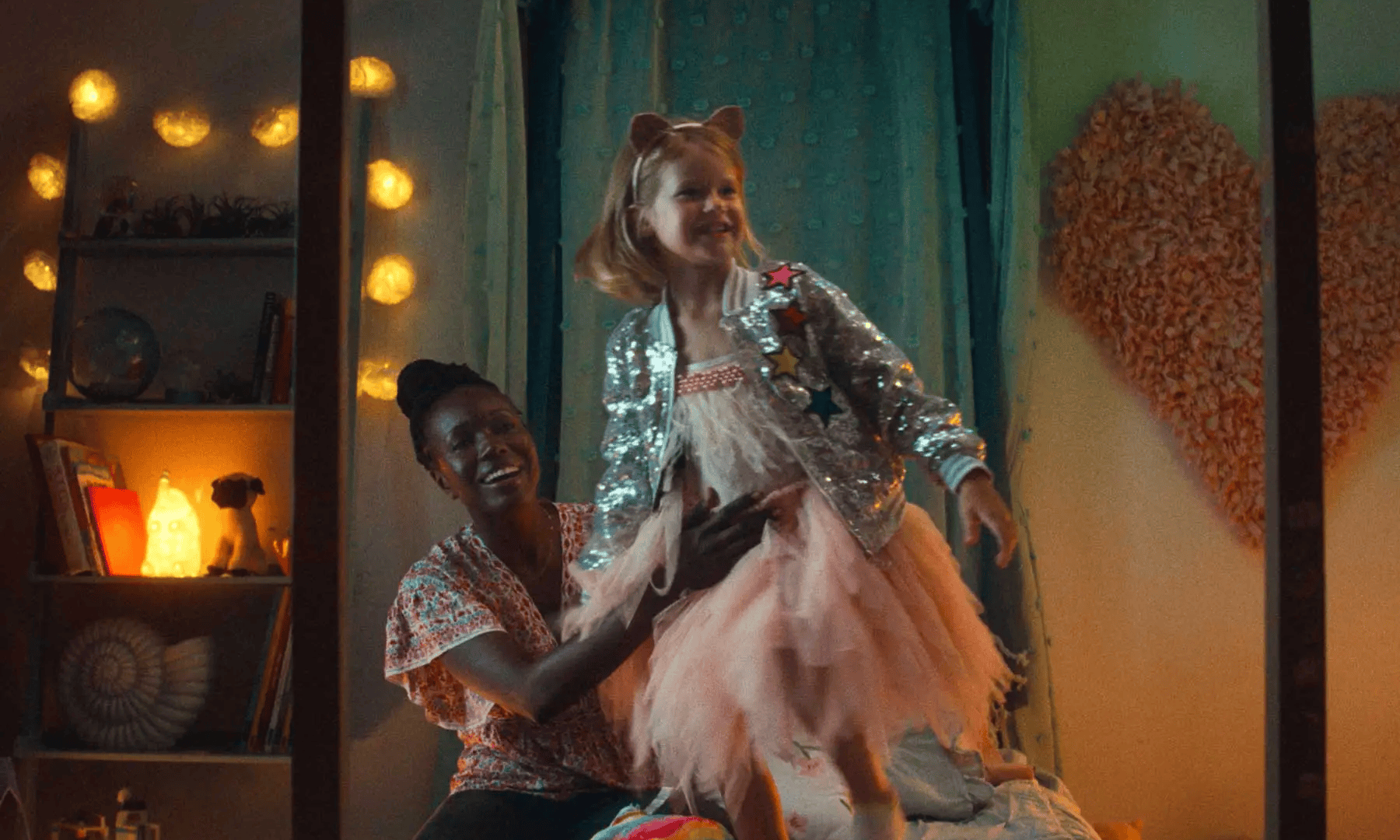
While her son remains in Senegal, Aisha (Anna Diop) works as a nanny for a wealthy family in the Upper East Side of Manhattan. Through her work, she hopes to save enough money to bring over her son and reunite with him in the United States. As she runs into issues at work because of the demands and the inconsistency of her employers, Aisha becomes overwhelmed at her lack of control of her current circumstance.
The premise of Nanny hits at something core to many mothers in the struggles that come with trying so hard to care for their child but being placed in situations out of their control. The situation for Aisha puts her in a place where she feels so incredibly helpless to not only help herself but also the child she works so hard to bring over to live with her. She needs to care for a child with many needs and must do so with parents who work many hours, demand so much from her, and yet do not have the decency to pay at the proper rate and time as agreed upon. The level of recourse she has is quite minimal not only because of their wealth disparity but also because of her status as an undocumented immigrant. Maintaining employment is critical to her citizenship status and if she ever stands the chance of bringing over her child.
As she deals with all of the drama in New York, she must also contend with how little control she has of what happens with her child. She communicates with him through phone conversations she has with her cousin Mariatou (Olamide Candide-Johnson), who is caring for the child while he remains in Senegal. She hears stories and behavior but can only do so much. Everything here compounds to a sense of hopelessness that understandably begins to tear her down, and the way the film seeks to exhibit this is through a horror lens and ultimately becomes its weakest component.
In the manner in which the horror in Nanny gets presented does not necessarily come through in jumpscares but rather in a fairly symbolic manner. I get what the film goes for in that respect, but it fails to deliver the impact the rest of the narrative produces. It leaves this film in a place where it spends far too much time on this symbolism that leaves the rest of the story underbaked. Some metaphors certainly come through loud and clear, but its presentation becomes quite tedious after a while. This ensures the film feels quite disjointed as real problems stand before Aisha and if she will actually accomplish her stated goal, but then we get sucked into another one of these visions she has, and it cuts the momentum at hand by the knees. Truly a disconcerting development for a film that has much it wants to say, and from the start it manages to accomplish it. However, in the effort to reach a pretty substantive conclusion, it fails to muster anything engaging for the majority of the middle section. That made the eventual conclusion so frustrating to experience because the final metaphor works so incredibly well, but the hit rate overall leaves plenty to be desired.
While landing right down the middle in Nanny, the film gives plenty for audience members to enjoy. It deals with a pressing and emotionally charged issue that anyone can get behind. However, the execution of this, wanting to provide something more than just a straightforward narrative, puts this film in a place where it needs to deliver on these visuals it wants to hypnotize the audience with, but it does not succeed in that endeavor. It left the rest of the narrative grasping for air in moments, as the most intriguing threads wound up throughout feel a bit underserved in the process.


