

Written by: Andrew Haigh
Starring: Andrew Scott, Paul Mescal, Jamie Bell, Claire Foy
Rating: [4/5]
Life’s fragility, while fully acknowledged by all, only comes to the forefront of our minds in moments of tragedy, and we lose someone we care for. A justifiable reality, given we don’t want to walk around always believing the latest interaction you had with a loved one could be the last. All of Us Strangers, through its profoundly patient and beautiful approach, allows this to guide the lead character as he reunites with his deceased parents and gets to have all of the conversations he never had the opportunity to experience.
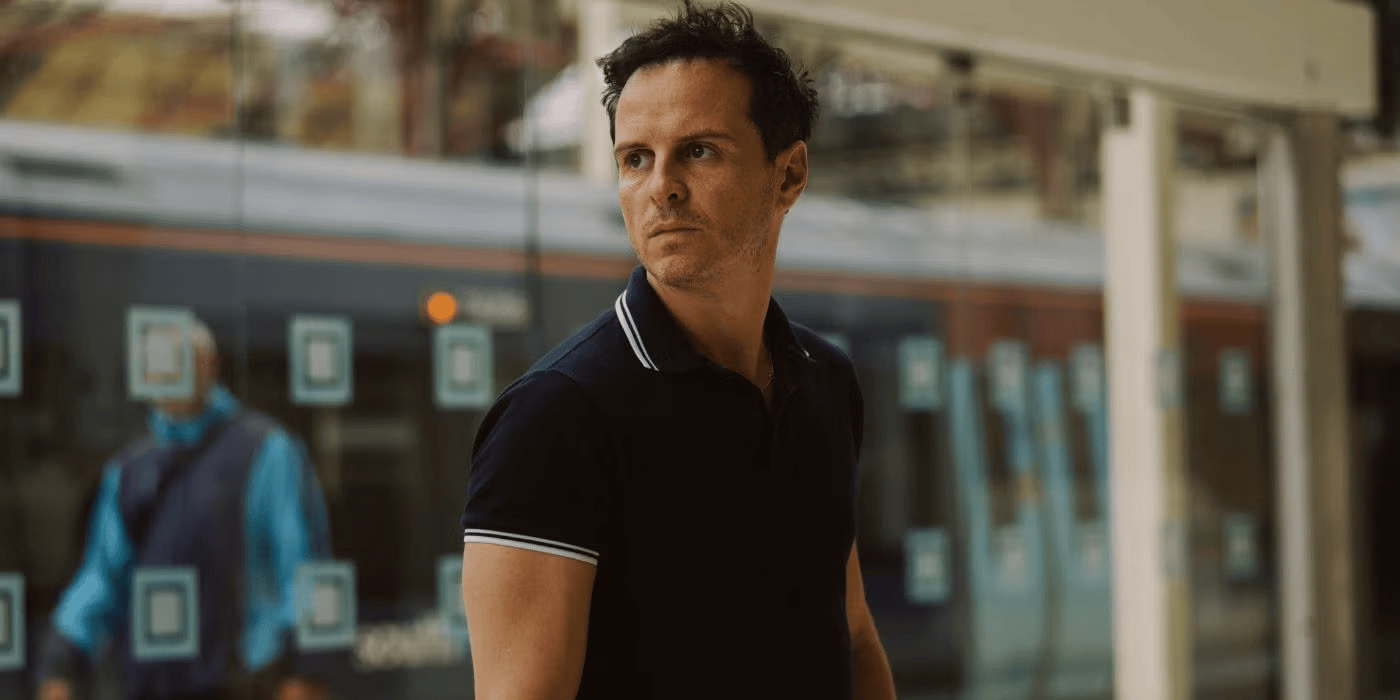
Alone and with no real connection with others, Adam (Andrew Scott) meets another individual who lives in his London apartment complex, Harry (Paul Mescal). They hit it off in their romantic feelings for each other and share their deepest regrets and aspirations with each other. As Adam shares about the death of his parents when he was twelve, a visit to his childhood home has him seeing them just as they were before they died, allowing him to speak to them.
Everything about All of Us Strangers seeks to communicate the emotional whalloping it will take its audience on as we follow Adam through this unique experience. It’s segmented into two different pieces as he spends time with his deceased parents in his childhood home and then with Harry back at his apartment. Two elements that start separately but then converge in the most impactful manner as this personal journey for our lead character allows him to process in ways he thought were long gone.
Of the two threads of this film, the one he shares with his parents works at the highest level as Adam communicates everything he wishes he could now that he’s an adult. Losing them at twelve years old meant they had been gone longer than they were actually alive during his lifetime. Adam has grown up, lived life, had all of these experiences, and his parents were not there for any of them through no fault of their own. This absence allows the interactions they have with each other now to be so beautiful because the parents have their own regrets in what they wish they could have shared with their son before their passing. Through their perspective, they figured they had decades more of their son where they could correct their mistakes and tell him how much they love him. This allows them to share it all. In essence, it’s a ghost story but as heartwarming as one could possibly be.
A major revelation Adam shares with his parents is his homosexuality, and that invariably plays a large part of his identity and plays into the loneliness he feels. This begins to meld the story he has with his parents and Harry. Adam never had the opportunity to share his sexual orientation with his parents, which is a seminal moment for anyone in the LGBTQ+ community, whether it’s received positively or negatively. Having the opportunity to do that now and how he experiences the affection he does with Harry gets at something so personal and something queer folks have encountered themselves within our society. It makes sense why this film would strike such a chord. Adam’s parents never got the opportunity to fully know him before their passing, through no fault of their own. At the very least, through this conversation, even if he’s speaking to their ghosts, he can take that significant weight off of his shoulders.
The quartet of actors within this film each thrive in their particular roles. Andrew Scott as Adam serves as the anchor of this story, and he does a marvelous job in this achingly beautiful portrayal of this man. In full control of this film, Scott owns every bit of emotion this type of role calls for, and he’s met in equal measure by the tender and loving performances by Jamie Bell and Claire Foy, who portray their parents. A radiance and warmth emanate in every single scene they share together that only makes it more difficult when we’re reminded of them really being gone. It punctuates exactly why Adam would feel so alone, and they each do so well in capturing that feeling.
Incredibly moving but quite patient in its build-up, All of Us Strangers draws audiences into its melancholy right before it winds up its gut punch and goes right for the emotions. It’s a film that’s incredibly human and digs into a headspace many may find themselves in, and hopefully it gives them reassurance of the beauty of connection with the right people at the right time. Andrew Haigh mightily impresses with this film and gives me the impetus to continue to dive into his work given the great things many have shared about his directorial prowess, and he proves just that with what he crafts here.


